Yes — charity given on behalf of a deceased Muslim parent reaches them and benefits them, according to authentic hadith. In Sahih al-Bukhari, a man told the Prophet ﷺ that his mother had died suddenly and asked whether she would be rewarded if he gave charity on her behalf; the Prophet ﷺ said yes. Alongside Sadaqah, a child’s dua, settling the parent’s debts, fulfilling their unpaid religious obligations, and funding ongoing charity in their name all benefit the deceased. The best gifts are those that keep giving — clean water, education, Quran teaching, and healthcare — because their reward continues long after the donation is made.
The question “does my charity reach my mother or father?” is one of the most emotional questions a Muslim can ask. The answer is established in several authentic narrations.
Aisha (may Allah be pleased with her) narrated that a man said to the Prophet ﷺ that his mother had died suddenly, and he believed that if she had been able to speak, she would have given charity. He asked whether she would receive reward if he gave charity on her behalf. The Prophet ﷺ answered: yes. This is recorded in Sahih al-Bukhari and Sahih Muslim.
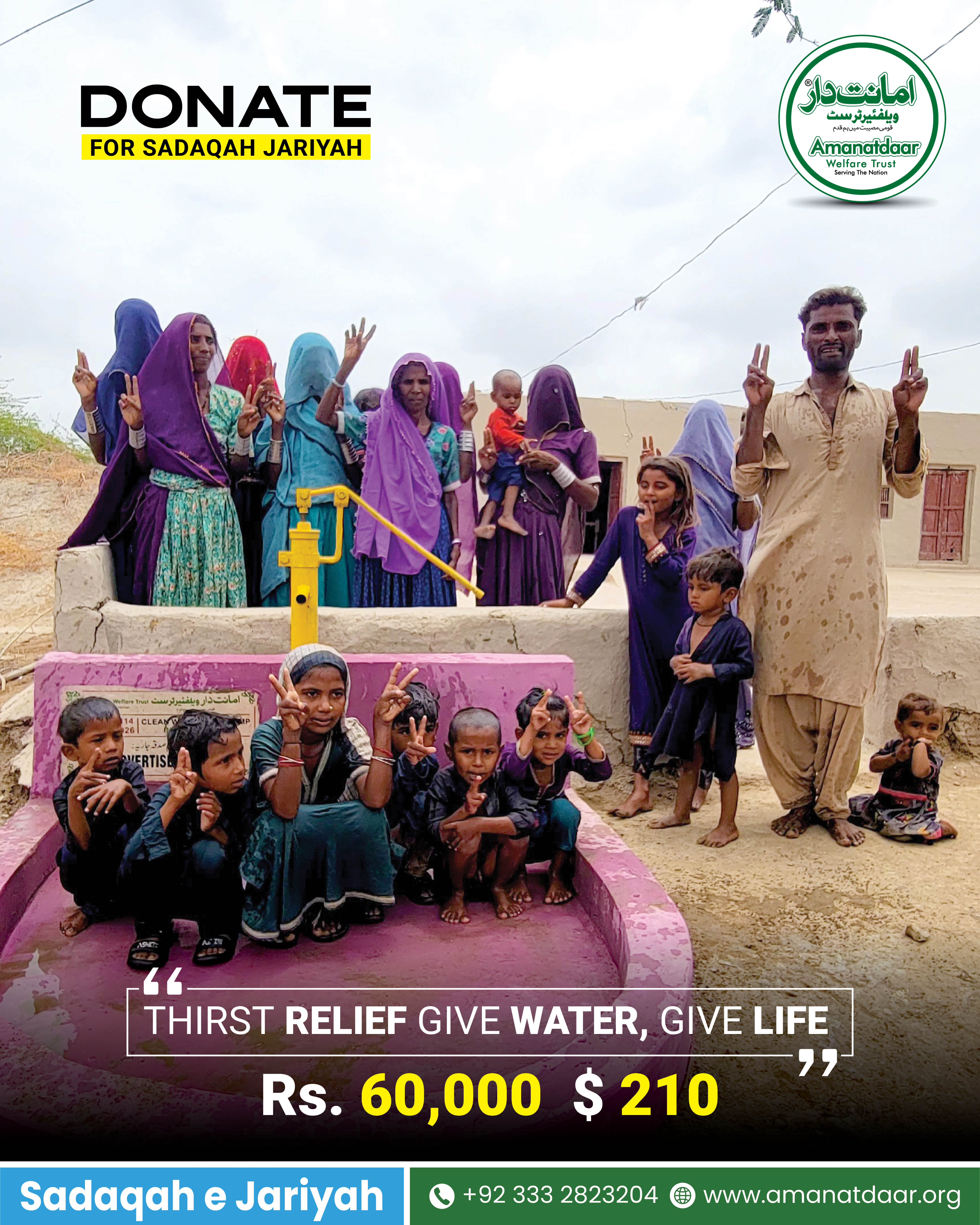
When the mother of Sa’d ibn Ubadah died, he asked the Prophet ﷺ which charity was best to give on her behalf. The Prophet ﷺ replied: water. Sa’d dug a well and declared it for his mother, as recorded by Abu Dawud and an-Nasa’i. For centuries, Muslims have followed this example by providing water in the names of their parents.
Abu Hurairah narrated that the Prophet ﷺ said: when a person dies, his deeds come to an end except for three — ongoing charity, knowledge that benefits others, or a righteous child who prays for him (Sahih Muslim). A child who gives charity and makes dua for their parents is fulfilling two of these at once.
Deed | Evidence | Practical Note |
Dua and seeking forgiveness | Quran 59:10; Sahih Muslim | Any time, any language, no cost |
Sadaqah on their behalf | Sahih al-Bukhari, Sahih Muslim | No specific day required |
Providing water | Abu Dawud, an-Nasa’i (Sa’d ibn Ubadah) | Handpumps, wells, water coolers |
Settling their debts | Hadith on the soul being tied to its debt (at-Tirmidhi) | Should be done before inheritance is divided |
Fasts they owed | Sahih al-Bukhari (the guardian fasts on their behalf) | Hanafi view generally favours fidya instead |
Hajj or Umrah on their behalf | Sahih al-Bukhari (woman from Juhaynah) | Performed by someone who has done their own Hajj |
Their own ongoing charity | Sahih Muslim (three deeds) | Projects they started continue to reward them |
The love behind Sadaqah is beautiful, but Islam sets an order of priorities after a death. Before voluntary charity from the estate, three obligations come first.
The Prophet ﷺ emphasised the seriousness of a deceased person’s debts, stating in a hadith recorded by at-Tirmidhi that the believer’s soul remains attached to its debt until it is paid. Debts are paid from the estate before inheritance is distributed — and children may also pay them voluntarily from their own wealth.
If your parent missed Zakat in past years or left fasts unmade, these should be addressed. For fasts, the Hanafi school generally recommends fidya. Our guide on fidya and kaffarah explains the amounts and rules.
If your parent left a will for charity, up to one-third of the estate (after debts) can be directed as they asked. Many parents ask for a water project, a mosque contribution or support for orphans — honouring it is both a legal and a moral duty.
Intend that the reward of this charity goes to your mother, father or both. You may state their names when donating; the intention in your heart is what matters.
One-time help such as food is valuable, but ongoing charity — sadaqah jariyah — multiplies the reward. Our explainer on Sadaqah Jariyah meaning and examples covers the main types.
Pooling resources with your brothers and sisters turns individual gifts into one larger project — a handpump or a year of a child’s education — dedicated to your parents.
Many trusts allow you to dedicate a donation in a person’s name and send a confirmation. This creates a record your family can revisit.
Choose a date that matters — their death anniversary, Ramadan, or the first ten days of Dhul Hijjah — and give every year. Consistency in charity is beloved to Allah.
Charity | Why It Suits a Parent’s Memory | Amanatdaar Programme |
A handpump or water source | Follows the Sunnah of Sa’d ibn Ubadah; benefits every user | |
A child’s education | Every lesson learned continues the reward | |
Sponsoring a Hafiz | Each verse recited and taught carries reward | |
Meals for the hungry | Feeding people was among the most praised deeds | |
Healthcare for the sick | Restoring health and relieving pain | |
Supporting widows | A deed the Prophet ﷺ compared to striving in Allah’s cause |
There is no single “correct” choice. Many families pick the cause their parent cared about most — a father who valued education, a mother who always fed guests. That personal connection makes the gift even more meaningful.
In Pakistan, families often gather on certain days after a death to recite Quran and distribute food. Scholars differ on fixing particular dates for these gatherings. What every school agrees on is that charity and dua reach the deceased whenever they are given; no particular day is required for them to be accepted. Families should avoid spending beyond their means on gatherings when the same money given directly to the poor would benefit their parent more.
Perspective from Amanatdaar Welfare Trust: “Some of the most moving donations we receive come with a short message: ‘For my mother,’ or ‘In memory of Abbu.’ A handpump in a village, a child’s school fees, meals at the Dastarkhuwan — each one becomes a living connection between a family and the parent they miss. We treat every dedication as an Amanah, record the name, and make sure the gift reaches people who will make dua for the one it honours. You can see our projects across Pakistan on our website.”
Yes. Hadith in Sahih al-Bukhari and Sahih Muslim confirm that charity given on behalf of a deceased parent benefits them. The Prophet ﷺ affirmed this to a man whose mother had died suddenly.
The Prophet ﷺ told Sa’d ibn Ubadah that water was the best charity on behalf of his deceased mother. Water projects such as handpumps remain one of the most recommended gifts, along with education and Quran teaching.
Your own Zakat is your personal obligation and is not transferred to anyone else’s credit. However, if your parent owed Zakat for past years, it should be paid from their estate or by the heirs. Voluntary Sadaqah can be given in their name at any time.
No. Charity and dua benefit the deceased whenever they are given. Many families choose meaningful dates such as death anniversaries or Ramadan, but no day is required.
You can and should treat a non-Muslim parent with kindness in life and give charity generally. Scholars hold that the specific spiritual reward of Sadaqah on behalf of the deceased applies to Muslims; consult a scholar for guidance on your situation.
Yes. Pooling donations is encouraged and allows families to fund larger, lasting projects such as a handpump or a full year of a child’s education in their parents’ names.
Yes. Amanatdaar accepts donations online from Pakistan and abroad, including through its US-registered charity, and you can dedicate the gift to your parent’s name.
The loss of a parent does not end your relationship with them. Islam gives you a way to keep serving them — through dua, through settling what they owed, and through charity that carries their name into the lives of others.
The Companions asked the same question you are asking, and the Prophet ﷺ answered with hope: yes, it reaches them. Give it with love, give it consistently, and choose something that keeps giving.
To dedicate a handpump, a child’s education, meals or healthcare to your late mother or father, give through Amanatdaar’s Sadaqah e Jariya programme.

Subscribe to our Newsletter. We promise not to spam you!